
Dairy Processing Training with Primary ITO
From short courses to full apprenticeships, we have a training solution for you. Enter your details below and we'll be in touch, or keep scrolling to learn more about our programmes.
Our Dairy Processing Apprenticeships
Duration: 27-32 months
Level: 3 and 4
The apprenticeship provides you/your employees with knowledge of the key fundamentals in the dairy industry together with increased technical skills of the specific product/process the employee works in.
Learners are also able to complete some additional unit standards in Automated Cleaning and Heat Treatment if they are applicable to the plant or process, they work in.
You’ll learn to:
- operate plant and equipment to carry out basic dairy processing operations to achieve operating standards
- operate and monitor a dairy processing operation to meet operational requirements
- plan and manage work priorities in a dairy processing operation
- apply dairy processing quality assurance requirements including those related to hygiene and food handling to work in a dairy processing operation
- comply with, and coordinate workplace safety, quality, environmental, and sustainability requirements in a dairy processing operation
- work in a team in a dairy processing operation
- coordinate and monitor food safety requirements in a dairy processing operation.
Learners who undertake the optional strand will be able to comply with and carry out automated clean-in-place and heat treatment requirements in a dairy processing operation.
Level 3 Training
Duration: 14-16 months
Level: 3
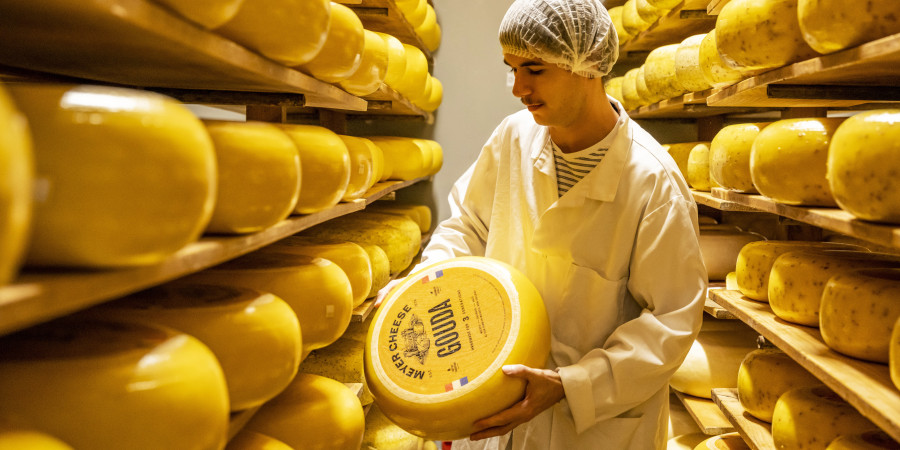
Developed with industry input, the Dairy Processing Level 3 programme is suitable for relatively new staff with three to six months of experience in a processing plant. The programme has eight compulsory topics that cover essential knowledge, along with 6 optional topics that your business can pick and choose to suit your operation. Optional topics include environmental processes, food safety using Hazard Analysis and Critical Control Point (HACCP) systems, carrying out routine maintenance and process improvements.
There are two optional strands available Automated Cleaning and Heat Treatment which will develop knowledge of automated cleaning in place and basic heat treatment requirements.
You’ll learn to:
- operate plant and equipment to carry out basic dairy processing operations to achieve operating standards
- apply dairy processing quality assurance requirements including those related to hygiene and food handling to work in a dairy processing operation
- comply with workplace safety, environmental, and sustainability requirements in a dairy processing operation
- work in a team in a dairy processing operation.
Graduates of the Automated Cleaning and Heat Treatment strands will also be able to:
- comply with automated clean-in-place requirements in a dairy processing operation
- comply with basic heat treatment requirements in a dairy processing operation.
Duration: 10 months
Level: 3
Developed with industry input, this programme is suitable for Dairy Processing operators who are working with automated processing equipment.
This programme aims to upskill operators in their knowledge of automation and mechanical equipment used in the dairy processing industry, to help aid with problem solving and communications with service technicians.
Learners will cover automation process monitoring, monitoring instrumentation, diagnostic techniques for electrical trends, use trends to identify risk of failure, preventative maintenance.
Learning Outcomes
- Knowledge of automation in own work area
- Fault finding process for an automated process
- Knowledge of and monitor instrumentation
- Describe and apply knowledge of diagnostics of electrical equipment
- Describe and apply knowledge of diagnostics of mechanical equipment
- Routine maintenance of plant and equipment
Duration: 6 months
Level: 3
This programme is suitable for those in quality assurance and product quality roles across the food processing industry. Graduates will gain knowledge of fundamental requirements in a food processing operation – including food safety, workplace safety, hygiene, and quality assurance operations.
Electives within the programme provide learners entry-level knowledge in risk management programmes, introduction to HACCP and reporting on specifications compliance.
You’ll learn to:
Apply knowledge of legislation to comply with workplace safety, environmental and quality assurance requirements in a primary products food processing operation.
Carry out product quality implementation check operations in a primary products food processing operation.
Duration: 10 months
Level: 3
This programme is designed for people who work in a distribution/warehousing operation within the primary industries and would like the opportunity to develop their confidence and capability.
Both the learning and assessments are achieved entirely on-the-job with ongoing support from workplace assessors, employers and Primary ITO throughout the duration of the programme.
You’ll learn to:
By the end of this programme graduates will be able to:
- apply health, safety and security practices to ensure own safety and minimise potential hazards for any customers and co-workers in a distribution environment
- communicate with staff, managers and customers effectively
- apply standard operating procedures and the code of conduct to a work role applicable to a distribution environment
- receive and dispatch goods in a distribution environment
- carry out store operations and inventory control in a distribution environment.
Duration: 4 months
Level: 3
This micro-credential is designed to provide people with the skills and knowledge to supervise the operation of unattended small steam or hot water boilers, and to meet safety and operational requirements.
Learning Outcomes
- identify and describe rights and responsibilities for workplace health and safety under the Health and Safety at Work Act 2015 (HSWA)
- describe the function and use of on-site personnel safety equipment and systems, and identify responsibilities under the HSWA
- monitor on site personnel safety equipment and the use of personnel protective equipment in an energy and chemical plant
- describe the requirements for the supervision and operation of unattended small steam or hot water boilers
- operate and monitor an unattended boiler and the boiler feedwater system
- explain safety procedures for boiler house chemicals, and safely use boiler house chemicals in an energy and chemical plant.
Duration: 5 months
Level: 3
This programme is recommended for those in management positions, such as team leaders, managers, and supervisors and for upcoming
leaders.
Introduction to Team Leadership is designed to be a flexible programme where delivery and assessment methods are customisable according to organisational requirements.
Learning Outcomes
Graduates will be capable of understanding leadership styles for effective team performance, working cooperatively within a team and with stakeholders, problem solving and demonstrating professional and ethical behaviour.
Module One: Managing people – team building and getting the best out of the team.
Module Two: Communication skills for superb supervision.
Module Three: The supervisor as a trainer in the workplace.
Level 4 & Level 5 Training
Duration: 13-16 months
Level: 4
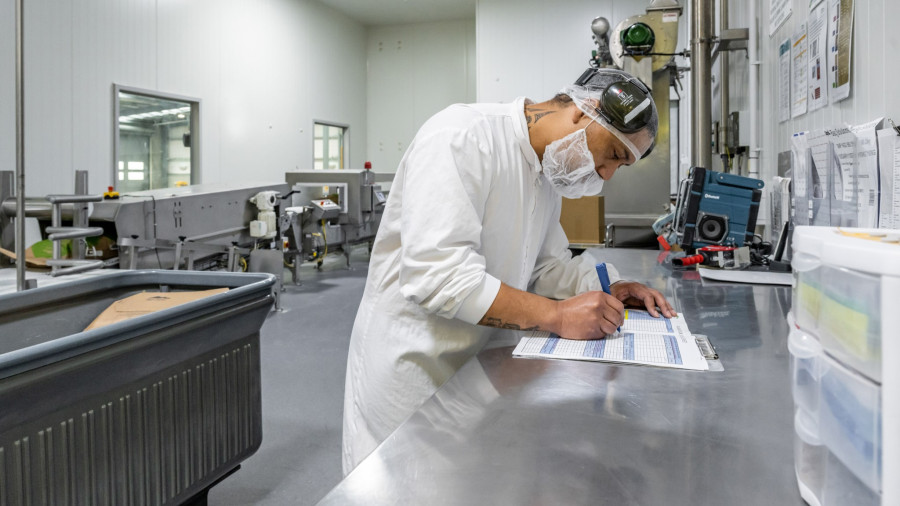
Developed with industry input, the Dairy Processing Level 4 programme is the next step for staff in a lead operator, or similar role, with two to three years of experience. The programme has six compulsory topics covering essential food safety, environmental, and business processes.
There are more than 30 optional topics which include modules to suit various dairy processes, alongside business operations knowledge such as inventory checks, quality and automated systems, milk collection and product storage.
Learners are also able to complete some additional unit standards in Automated Cleaning and Heat Treatment if they are applicable to the plant or process they work in.
Learning Outcomes
Graduates of this qualification will be able to:
- plan and manage work priorities in a dairy processing operation
- collate and communicate workplace information in a dairy processing operation
- coordinate health and safety, quality, environmental, and sustainability practices in a dairy processing operation
- coordinate and monitor food safety requirements in a dairy processing operation
- operate and monitor a dairy processing operation to meet operational requirements.
Graduates of the Automated Cleaning and Heat Treatment strands will be able to:
- coordinate automated clean-in-place processing operations
- coordinate heat treatment processing requirements.
Duration: 8-9 months
Level: 4
This programme is suitable for those in product auditing roles or environment systems focused roles across the food processing industry.
Graduates will be capable of planning and managing work priorities, monitoring health and safety and quality either carrying out food products certification or carrying out advanced environmental management system requirements.
The Product Quality Auditing programme includes learning for experienced employees who conduct audit processes for certification, including halal and is also suitable for people who conduct internal product quality audits and quality assurance work.
Learning Outcomes
All strands:
Plan and manage work priorities in a primary products food processing operation and provide workplace information.
Carry out and monitor health and safety and quality practice requirements in a primary products food processing operation.
Environmental strand:
Plan, prepare and carry out a range of advanced environmental management systems requirements in a primary products food processing operation.
Product Quality Auditing strand:
Plan, prepare and carry out food products certification in a primary products food processing operation.
Duration: 4 months
Level: 5
Hazard Analysis Critical Control Point (HACCP) is an internationally recognised, principal management method for ensuring food safety. Food safety regulation compliance is the backbone of our food processing industries.
This Micro-credential is based on new standards requirements and will support New Zealand’s food processors with meeting food safety principles for both domestic and export markets. Your organisation will benefit by meeting the latest requirements of Unit Standard 28265 and equipping employees to meet Ministry of Primary Industries audit requirements.
This micro-credential provides learners with the skills and knowledge required to assess hazards relevant to food safety, identify control systems, and focus on preventative measures for a food processing operation.
This micro-credential is suitable for those working in the following roles:
- Technical Manager
- HACCP Coordinator
- QA and Risk Management roles
Learners can enrol in this micro-credential at any time and will be provided with guidance in meeting assessment by subject matter experts as required. This micro-credential will require learners to engage with organisational risk management programmes and colleagues and peers – which in turn will increase wider team understanding of the importance of a robust HACCP application.
Learning Outcomes
On completion, graduates will be able to describe HACCP principles, identify hazards relevant to food safety, verify and review an internal HACCP application and confidently present, justify and defend their organisational HACCP application.
On completion graduates will be awarded: Certificate in HACCP Requirements Food Processing Micro-credential (Level 5).
We are here to help
Our team are here to support you throughout your learning. Support can include:
- Literacy and numeracy - dyslexia screening and literacy and numeracy tools
- Neurodiversity guidance - how to thrive in your learning environment
- Wellbeing - free counselling services
- Tips for keeping on top of your learning
- Goal setting and reviews
- Face-to-face and virtual visits from sector experts.
For more information email food.processing@primaryito.ac.nz, or register your details above, to speak to your local Training Adviser.