
Helping Shape the Future of Viticulture and Wine Production Training
8 May 2026
New Zealand’s wine industry has built a strong reputation on quality, innovation, and skilled people. Supporting that workforce through practical, on-job training remains critical to the future success of the sector.
As changes to New Zealand’s vocational education system continue to progress, there is now an opportunity for the viticulture and wine production industry to help determine how vocational training will be delivered in the years ahead.
From 2027, industry training may be delivered by a range of organisations including Polytechnics, Private Training Establishments (PTEs), Wānanga, or other approved providers. While current training arrangements remain in place during the transition period, work is now underway to identify future delivery options that best meet the needs of the wine industry.
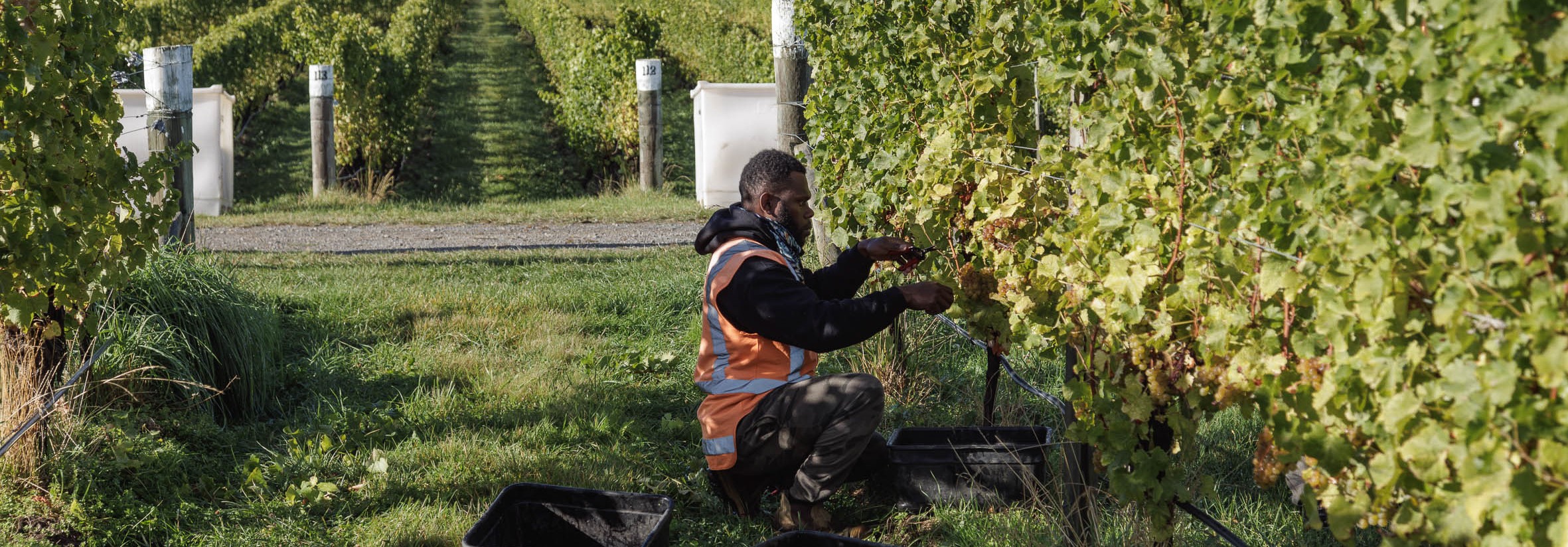
Building a model that works for the industry
Future training delivery needs to reflect the realities of the viticulture and wine production environment, from seasonal harvest pressures and regional variation, through to the highly practical nature of the work itself.
The industry is seeking delivery models that can provide:
- High quality, nationally consistent training and assessment
- Tutors, trainers, and assessors with genuine industry experience
- Flexible on job delivery that aligns with seasonal workflows and operational demands
- Strong workplace-based learning supported by practical off-job components where beneficial
- Accessible training options for businesses and learners across all wine regions
- Ongoing industry involvement in programme design and decision-making
- Training outcomes that support productivity, capability development, and workforce sustainability
- Work based programmes that remain relevant to evolving industry practices, technology, compliance, and market expectations.
There is also strong interest in delivery approaches that prioritise learner support, regional relationships, and accessibility for a diverse workforce, including kaupapa Māori delivery where appropriate.
Importantly, any future model must be sustainable, scalable, and capable of responding to the changing needs of employers and learners over time.
Calling for expressions of interest
Organisations with the capability and experience to support vocational training in the viticulture and wine production sector are invited to register their interest in future programme delivery.
This process is an opportunity for the industry to help shape a training system that continues to produce skilled, job-ready people and supports long-term success across vineyards, wineries, and related businesses.
Expressions of interest should be emailed to info@primaryito.ac.nz by 31 May 2026.
Primary ITO will continue engaging with employers and industry representatives throughout this process to ensure the future direction of training remains informed by the people and businesses it is designed to support.