
Pest training underpins conservation effort on Banks Peninsula
19 March 2026
Native birdsong echoing through regenerated bush and thriving ecosystems across Banks Peninsula is the aim of a local conservation trust, with the support of Primary ITO training.
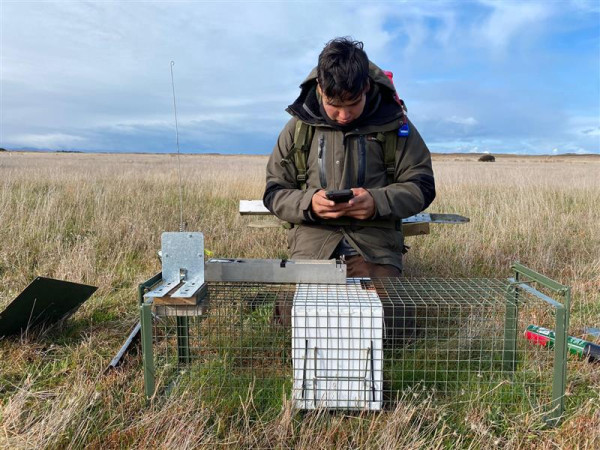
Jayden Lum has completed the pest training and is now Operations Coordinator for Kaitorete.
The Banks Peninsula Conservation Trust (BPCT) is a non-profit organisation working with landowners and the wider community towards their vision of seeing native biodiversity thriving across Banks Peninsula and surrounds by 2050. This includes protecting all remaining old-growth forest remnants, streams and coastal areas, ecosystems, and establishing new areas of native vegetation to increase the abundance of rare native species.
The Peninsula’s wide range of habitats support incredible biodiversity, from penguins and inanga to wētā and forest birds, from kelp forest and podocarp forest to cliff and mountaintop plants. This biodiversity has significant value as taonga, for recreation, tourism, and for ecosystem services including flood protection.
As part of the wider Predator Free 2050 project, the elimination or effective control of pest animals and plants across Banks Peninsula is critical.
Significant progress has been made, with feral goats and pigs eliminated from 90,000 hectares. Possum-free status has been achieved across 5,000 hectares including Akaroa township and surrounds, with ~5,000 hectares being actively treated. Ferrets have been removed from the 5,500-hectare shingle spit of Kaitorete at the foot of Banks Peninsula, with feral cats, stoats and weasels on the radar later this year.
Work is underway with landowners to control non-native plant species that smother native vegetation, outcompete regenerating forest and affect ecosystems.
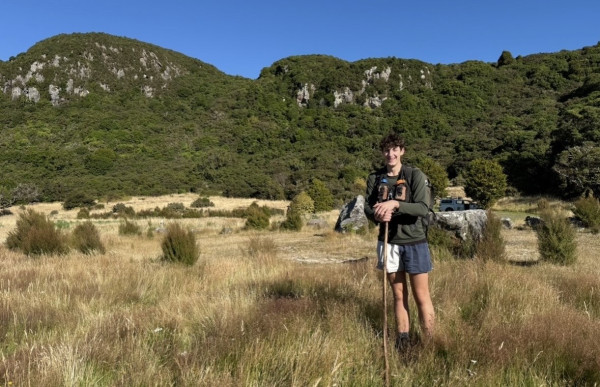
Learner Riley Dwyer, 19, started working at BPCT in early 2025 and is completing the pest training through Primary ITO
BPCT has partnered with Primary ITO since 2021 to provide formal pest training for their staff. Twenty-two employees have completed the New Zealand Certificate in Pest Operations (Level 3).
The ten-month programme is available for pest animals and pest plants, with options for pest control and subsequent monitoring. It covers safe work practices, pest control methods and their impact, traditional map reading and compass skills alongside more modern tools like GPS and altimeters, and how to record information accurately.
BPCT senior team leader Tim Sjoberg says the pest training is highly relevant to their work.
He says the focus on accurate field recording is vital, as having the ability to review correct data in real time on dashboards enables the team to make informed decisions.
The Primary ITO formal training sits alongside their own internal staff training.
“We are always keen to invest in our staff,” Tim says. “They are doing the work anyway, so they should get the qualifications associated with that work. Most staff are doing the work on a day-to-day basis, so this is a more formal way of capturing that knowledge and them getting recognised for it.”
All training is completed on job with Primary ITO learning and assessment resources. Tim oversees the training and is a registered Primary ITO workplace assessor.
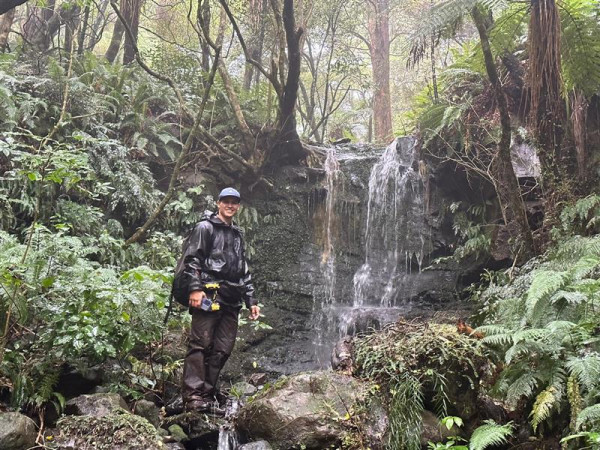
Jayden Lum Operations Coordinator
Jayden Lum has completed the pest training and is now Operations Coordinator for Kaitorete.
“One of the most useful parts for me as a team leader is the health, safety and wellbeing part of the training, as my responsibilities include the health and safety of the whole team, not just myself,” Jayden says. “Everything from nutrition and rest to communication methods and documentation of hazards helps me to keep the team safe in the field.
“Knowing they too have gone through or are going through this training gives me extra peace of mind as well.”
BPCT works closely with local schools in Akaroa to promote conservation and provide employment opportunities, with four school leavers currently employed.
Tim says, “being able to employ school leavers and help to generate meaningful employment right here in their local community is very rewarding.”
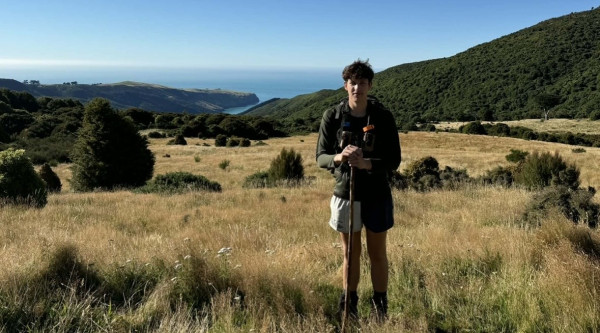
Riley Dwyer out in the field
Riley Dwyer, 19, started working at BPCT in early 2025 and is completing the pest training through Primary ITO.
“I thought I knew a bit already but the knowledge I’ve gained so far has been quite useful - it makes a big difference. You can put it into your everyday work, and it makes your job easier.”
Primary ITO sector advisor Adrienne Dempsey says Tim does a great job of supporting his staff’s training.
“Tim has good oversight of where they’re at. He has a training schedule that fits into their operations and what they’re doing, so learners can complete assessment tasks.”
Pest training graduates can continue their learning with a supplementary credit programme offering bespoke additional pest training on specific topics.
For more information click here or fill in the form below to speak to a member of our team!