
Poultry programme opens to lifestyle farmers and hobby flock owners
26 August 2026
Recent detections of avian influenza (H5 bird flu) in New Zealand have shone a spotlight on the importance of biosecurity and poultry health across the country.
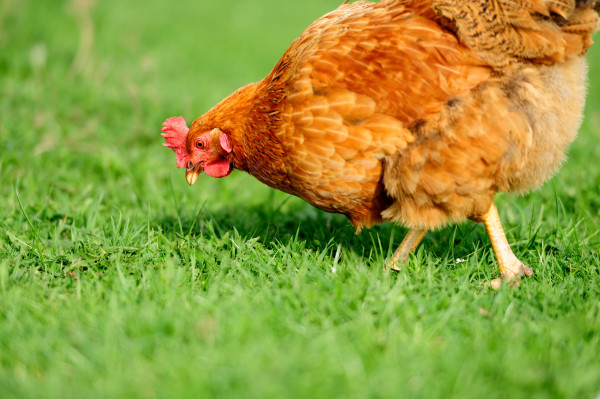
While the poultry industry has always played a critical role in protecting bird health, biosecurity is no longer just the responsibility of commercial producers. Lifestyle farmers and hobby flock owners also have an important part to play in preventing the spread of disease and protecting New Zealand's poultry sector.
To help support this, Primary ITO has expanded eligibility for its Introduction to the Poultry Industry Micro-credential, making the programme available to people who keep poultry as part of a commercial, lifestyle, or hobby operation.
The Level 2 programme provides learners with a practical introduction to poultry production and management, helping them develop the knowledge needed to care for birds, identify risks, and apply best-practice biosecurity measures.
Tanya Ingram, Sector Manager for Primary Services at Primary ITO, says the timing of the change is particularly significant.
The programme is available with a $99 enrolment fee* and is delivered entirely by distance learning with supported assessor and content sessions. The flexible format makes it easier for learners to fit their training around work, family, and other commitments. *T&C’s apply.
Learners will gain knowledge in areas including:
- biosecurity principles and procedures
- poultry anatomy and body systems
- prevention and control of exotic diseases
- food contamination hazards and control measures
- cleaning and sanitation practices
- the structure of New Zealand's poultry industry.
By the end of the programme, participants will understand how to identify and manage biosecurity risks, recognise common exotic disease threats, maintain clean and safe poultry environments, and apply practices that support bird health and welfare.
For lifestyle farmers and hobby flock owners, the micro-credential provides an opportunity to gain industry-backed knowledge that can be put into practice immediately, while helping to strengthen New Zealand's collective response to biosecurity threats.