
Rural Women’s Day Q&A with Ginny Vincent
15 October 2026
To mark the International Day of Rural Women on Thursday 15 October, we sit down with Primary ITO Chief Executive Ginny Vincent, who has been leading the organisation since January 2026.
Ginny shares what she loves about working in the primary industries, as we celebrate rural women and all those working in the wider primary industries.
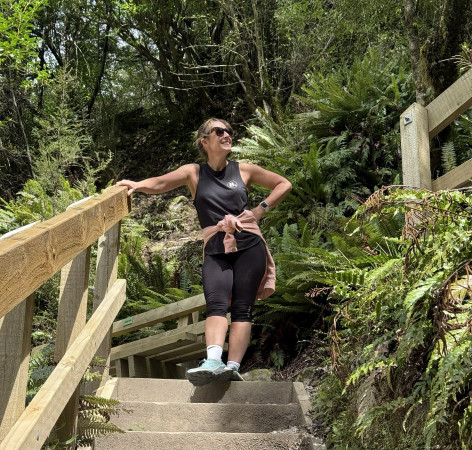
Ginny Vincent - Chief Executive, Primary ITO
How did you get started in the primary industries and what do you most enjoy about working in the sector?
My journey into the primary industries wasn't a direct one, but what drew me in was the opportunity to work with and support the people who create real value for New Zealand every day. The primary sector is built on hard work, innovation, resilience, and a strong sense of community, and those values really resonate with me.
What I enjoy most is seeing the impact the sector has, not only on our economy but on our rural communities and the people who work within them. Through Primary ITO, I also have the privilege of seeing how training and development can transform careers, businesses, and lives. Helping people build skills and confidence for the future is incredibly rewarding.
Why do you think the primary sector is a fantastic career option for women?
The primary sector offers an incredible range of opportunities. Whether your interests are in farming, horticulture, viticulture, arboriculture, landscaping, planning, technology, environmental management, animal care, leadership, or business, there is a place for you.
What excites me is that the sector continues to evolve. Today's primary industries are innovative, technology-driven, and focused on sustainability as well as productivity. Women are making significant contributions across every part of the sector, from frontline operations to governance and executive leadership.
It's also a sector where you can see the direct impact of your work. You're contributing to New Zealand's economy, helping feed communities, stewarding our natural environment, and supporting regional prosperity. That's something to be proud of.
What makes on-job training and career development through Primary ITO a worthwhile option for women – and all people – working in the primary sector?
For many people, the best place to learn is in the workplace. On-job training allows learners to earn while they learn, immediately apply new skills, and gain qualifications that are directly relevant to their role and career aspirations.
Primary ITO's approach recognises that people learn in different ways. On-job training provides flexibility while still ensuring learners gain nationally recognised qualifications and valuable industry skills.
It also helps people build confidence. We've seen learners progress from entry-level roles into specialist, management, and leadership positions. Investing in learning doesn't just benefit individuals; it strengthens businesses and helps ensure our industries have the skilled workforce and capability they need now and into the future.
If you could work in any other role in the primary industries for a day, what would that be and why?
I'd love to spend a day working in sports turf management. It's a sector that often operates behind the scenes, but the work is incredibly important in creating and maintaining the playing surfaces that support community sport, recreation, and major events.
Sports turf professionals need to understand soil health, irrigation, plant management, sustainability, and environmental conditions, all while producing safe, high-quality surfaces for athletes and communities to enjoy.
I'd also enjoy seeing firsthand the planning and attention to detail that goes into maintaining everything from local sports grounds to premier venues. It's a profession that has a real impact on people's wellbeing, bringing communities together through sport and recreation.
Is there a particularly inspiring rural woman in your life? Who and why?
I'm fortunate to have worked alongside many inspiring women throughout my career. Rather than naming one person, I'm inspired by the many women across our rural communities who quietly make an enormous contribution every day.
They are business owners, farmers, growers, managers, mentors, volunteers, community leaders, mothers, daughters, and partners. They often balance multiple responsibilities while helping their businesses and communities thrive. Their resilience, generosity, and commitment to future generations never ceases to impress me.